
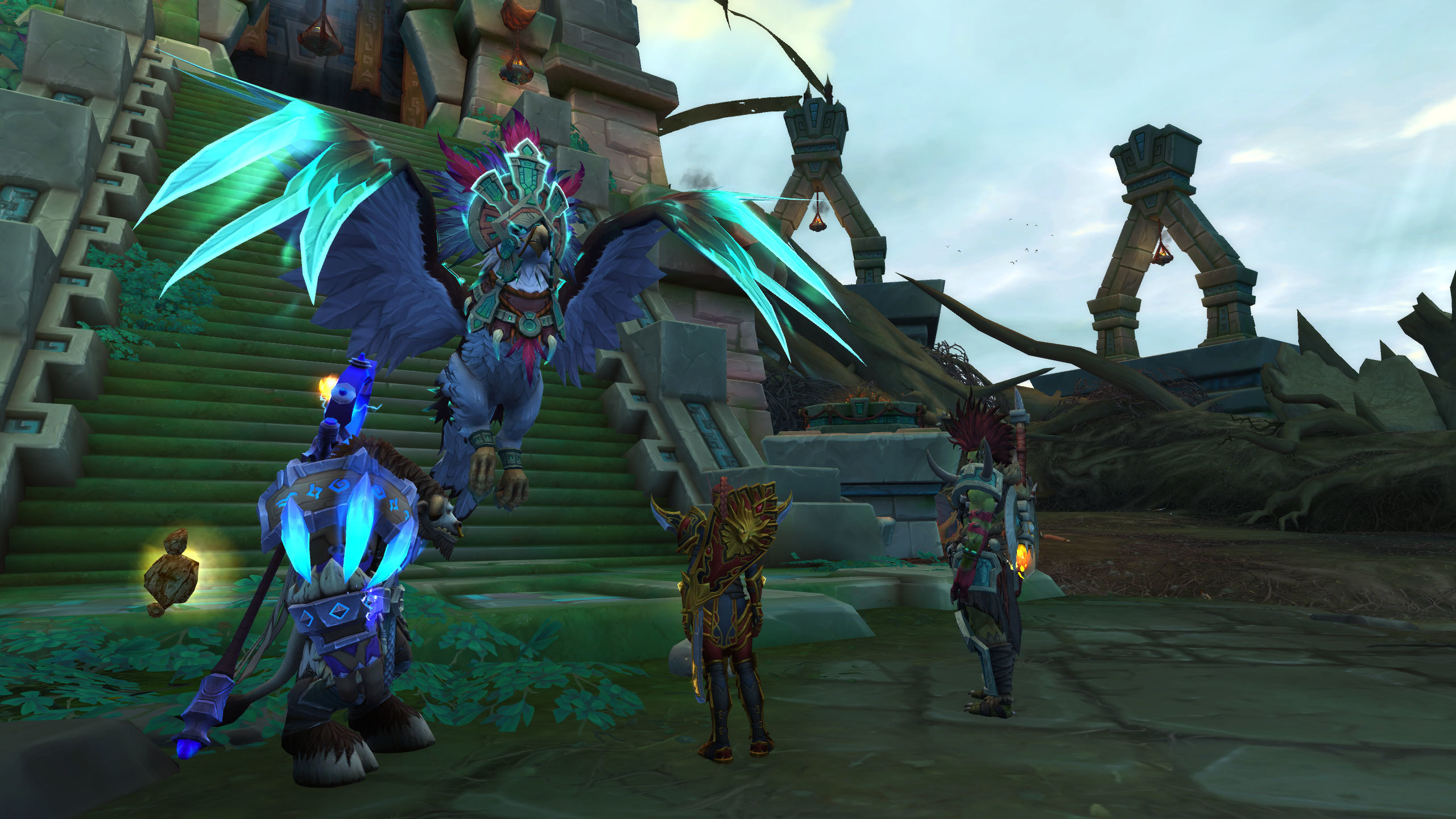
The early days of MMORPGs were rife with the phenomenon of griefing, where players would intentionally disrupt others’ gameplay for amusement. Central to this culture was the infamous Serenity Now Guild, known for their controversial tactics and the moral dilemmas they presented to the gaming community. As players navigated the expansive worlds of titles like World of Warcraft, the line between entertainment and hostility often blurred. This article explores the legacy of the Serenity Now Guild, the ethics of griefing, and its impact on the player base and game design strategies in the evolving landscape of MMORPGs.
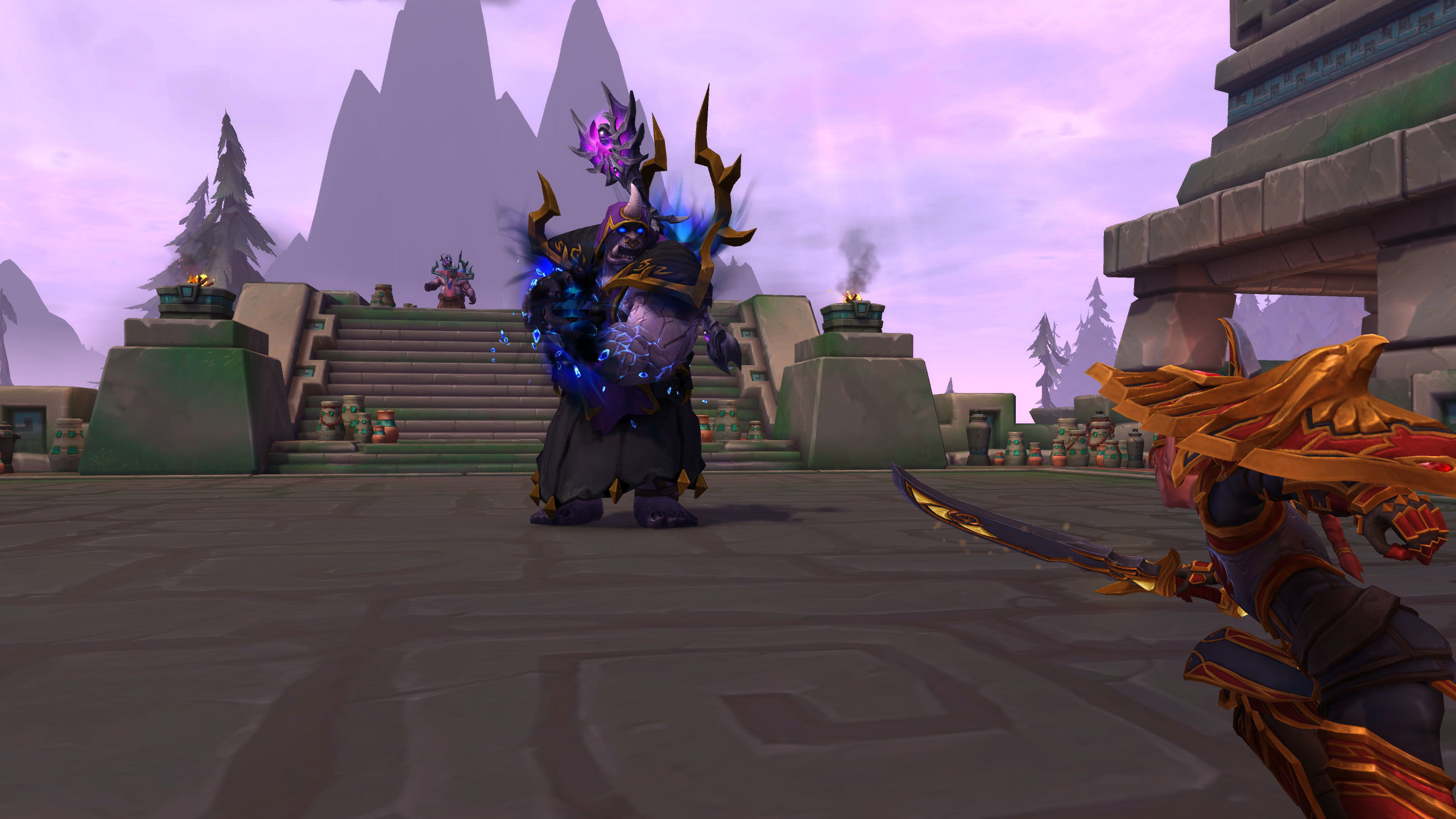
The Rise of Griefing in Early MMORPGs
Griefing emerged as a significant aspect of MMORPG culture, often fueled by the anonymity provided by the internet. Players found themselves not just facing in-game challenges but also the disruptive actions of others, often leading to memorable and, at times, infuriating experiences. The Serenity Now Guild, in particular, gained notoriety for their calculated tactics that included camping low-level zones, exploiting game mechanics for maximum disruption, and engaging in hostile player-versus-player (PvP) encounters. This behavior raised ethical questions about player interactions and the responsibilities that come with shared virtual spaces, leading to a schism within the player community about what constituted acceptable gameplay.
The Tactics of the Serenity Now Guild
The Serenity Now Guild utilized a variety of tactics that epitomized the griefing culture of their time. Their strategies included using high-level characters to dominate low-level areas, thereby preventing newer players from progressing. They also employed social engineering techniques, such as luring unsuspecting players into traps or using in-game chat to provoke emotional responses. Below is a table summarizing some of the most common tactics used by the guild:
| Tactic | Description | Impact on Players |
|---|---|---|
| Camping | Staying in an area to repeatedly kill players trying to quest. | Frustration and potential quitting of affected players. |
| Social Engineering | Luring players into traps or false scenarios. | Loss of trust within the community. |
| Exploiting Game Mechanics | Using bugs or unintended mechanics to gain an unfair advantage. | Increased calls for game moderation and changes. |
The Ethical Debate Surrounding Griefing
The actions of the Serenity Now Guild sparked significant debate about the ethics of griefing within the MMORPG community. Some argued that griefing was a legitimate form of gameplay that added unpredictability and excitement, while others felt it undermined the core purpose of MMORPGs, which is cooperative play and community building. The emotional toll on victims of griefing often led to discussions about player rights and the responsibility of game developers to create environments that discourage toxic behavior. This ethical debate continues to influence game design, with many modern MMORPGs implementing systems to mitigate griefing and encourage positive player interactions.
Community Reactions and Legacy
The reactions to the Serenity Now Guild’s actions were polarized, leading to the formation of anti-griefing guilds and a push for more structured in-game moderation. Many players took a stand against griefing, advocating for a culture of respect and support among players. The legacy of the Serenity Now Guild is complex; it serves as both a cautionary tale of player behavior and a reminder of the vibrant, albeit chaotic, nature of early MMORPGs. Today, the impact of griefing still resonates, with players often sharing stories of their encounters as a rite of passage in gaming culture.
Modern Perspectives on Griefing
In the current landscape of MMORPGs, the perspectives on griefing have evolved significantly. Developers have recognized the need to create safe environments for players, leading to the implementation of features such as player reporting systems, anti-griefing mechanics, and community guidelines. Players now have a more robust toolkit to combat griefing, including the ability to block and report disruptive individuals. The community has also begun to embrace a more inclusive ethos, focusing on collaboration and support rather than competition and hostility. As such, the conversation around griefing has shifted from mere acceptance of its existence to proactive measures to foster healthy interactions within the gaming community.
Leave a Reply