
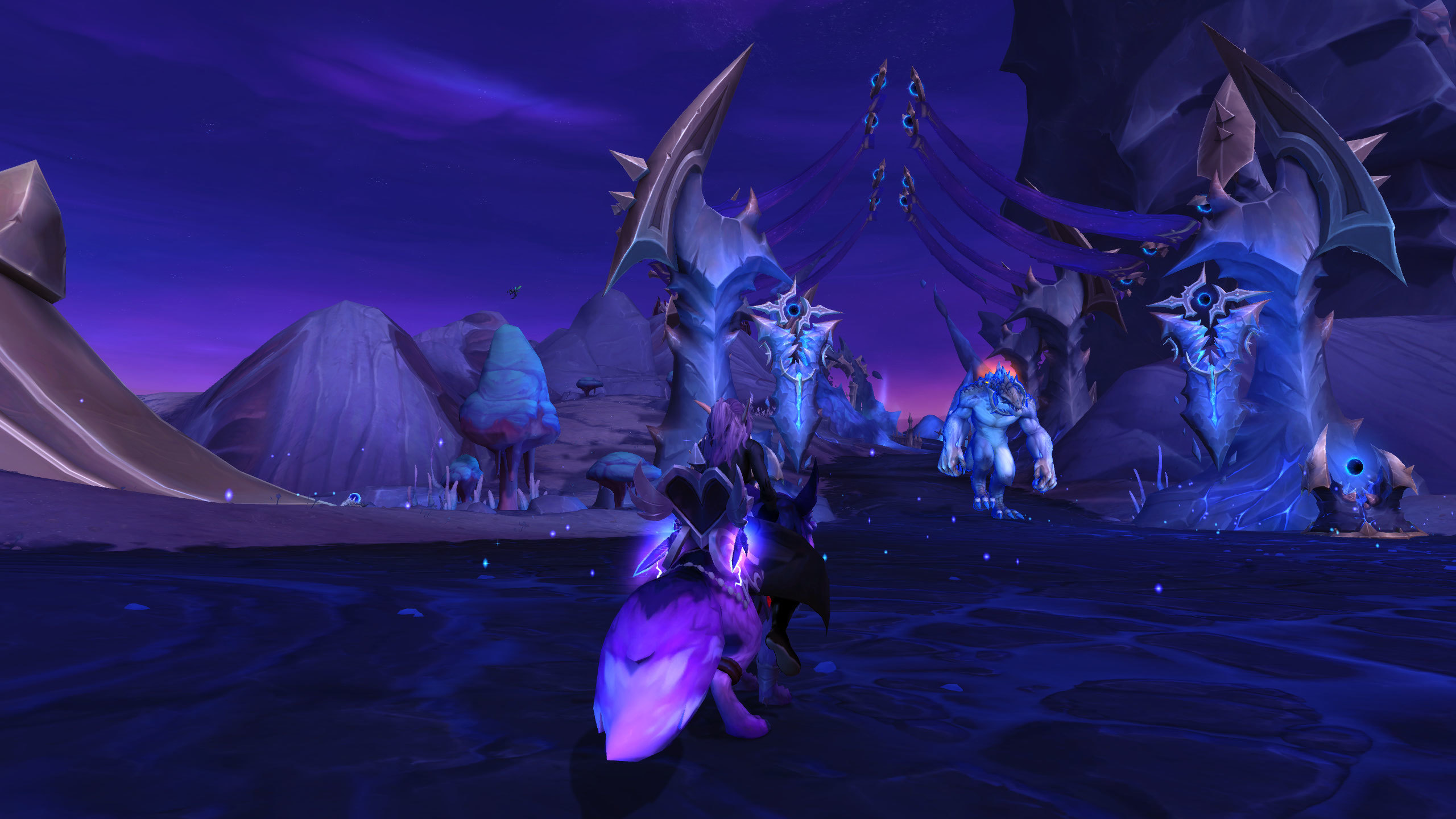
The “weight” of a combat encounter in World of Warcraft comes down to animation timing—the precise split-second where a weapon lands, a spell impacts, or a character recoils. While character models have been updated and combat has been sped up, the fundamental “feel” of these animations remains remarkably consistent. This guide investigates why the timing of Warcraft’s combat feels so satisfying, exploring the balance between mechanical responsiveness and visual feedback.
The Rhythm of Impact
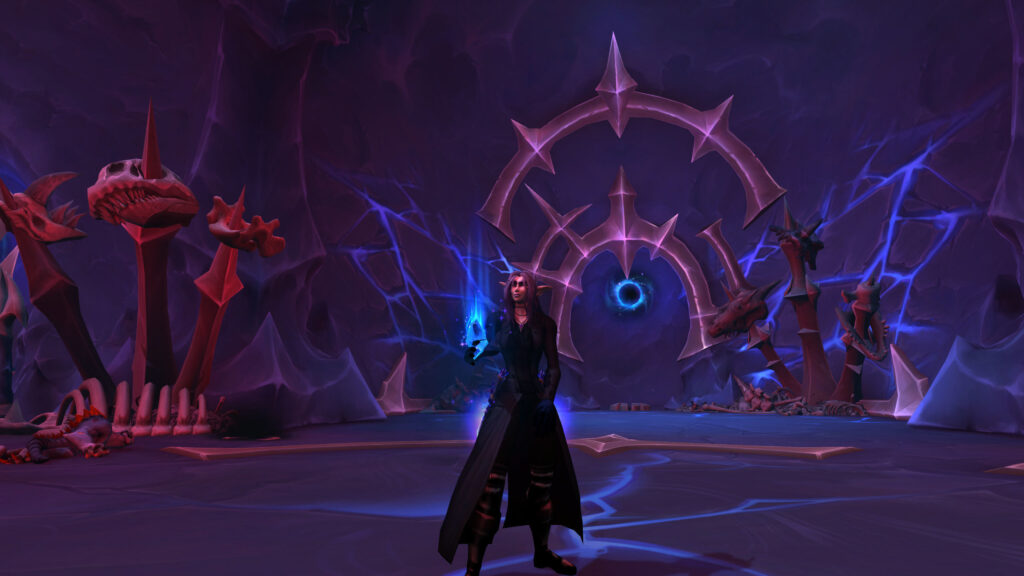
Satisfaction in combat is derived from the “anticipation-impact-recovery” cycle. A Warrior’s Mortal Strike doesn’t just hit; it has a heavy wind-up, a sharp, decisive contact frame, and a subtle recovery animation that adds weight to the swing. This timing is designed to match the “feel” of the ability’s power. If the impact were too fast, it would feel like a glitch; if it were too slow, it would feel sluggish. The animation team at Blizzard has spent decades finding the “sweet spot” where an input feels like an extension of the player’s will. This timing creates a rhythm, turning a complex rotation of buttons into a melodic performance.
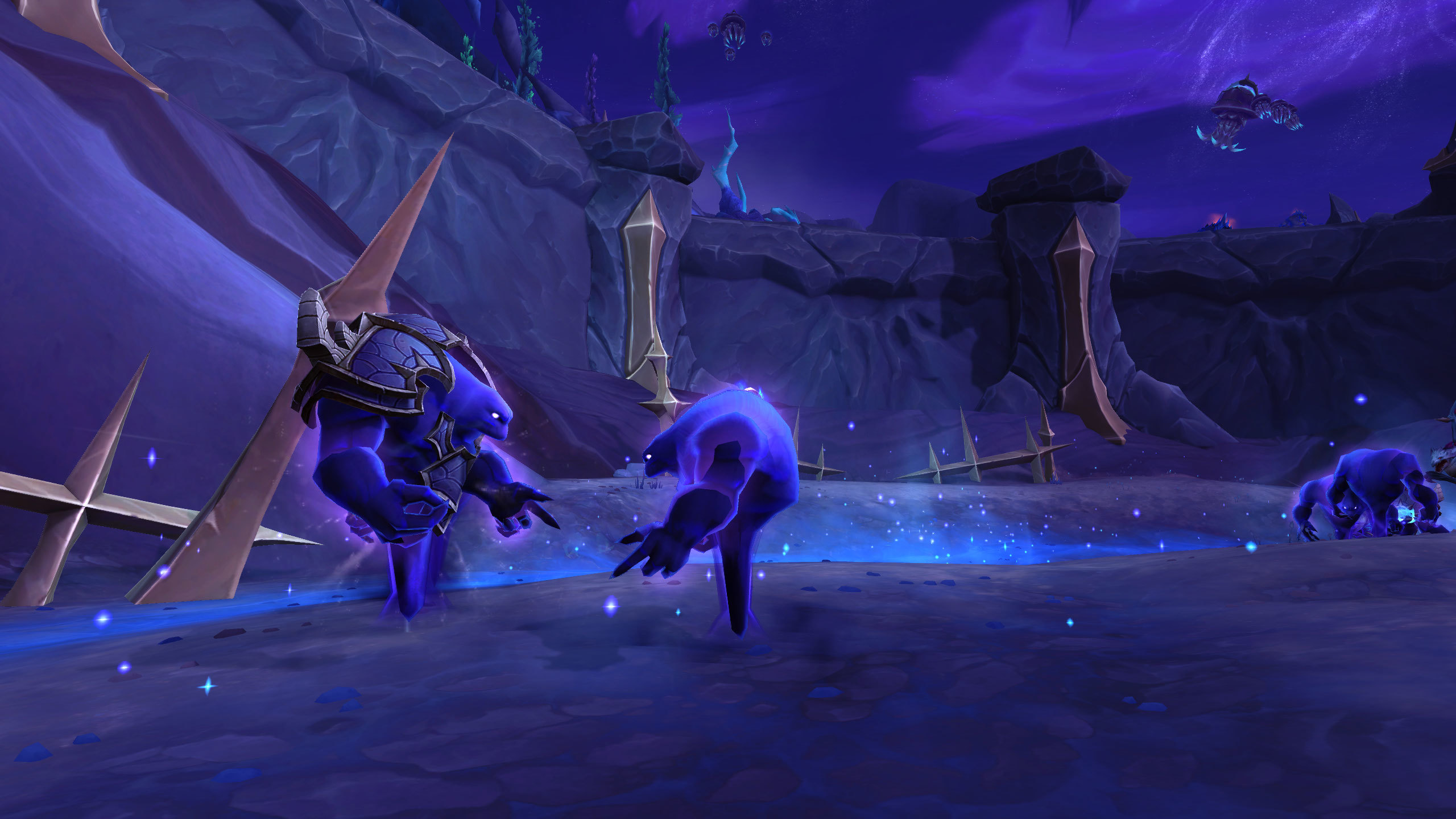
This consistency is also what prevents the game from feeling “unplayable” after an update. Even when the game gets faster or more complex, the core animation frame-data remains the same. A character’s jump, a caster’s channel, or a rogue’s backstab all have a familiar “cadence.” This is the muscle memory of World of Warcraft. Players aren’t just memorizing button orders; they are memorizing the *timing* of the animations. This creates a deeply embedded physical connection to the character. You learn to “feel” when a spell is about to finish casting before the bar even completes, because you’ve internalized the animation rhythm of your class.
Defining Animation Satisfaction
| Timing Phase | Player Experience |
|---|---|
| Wind-up | Builds anticipation and weight. |
| Contact Frame | Provides immediate feedback/satisfaction. |
| Recovery | Adds grounding and realism to the action. |
| Consistency | Fosters long-term muscle memory. |
A Kinetic Identity
The satisfying timing of these animations is essentially the class identity in motion. A Paladin feels heavy and righteous because their animations are deliberate and grounded. A Monk feels light and chaotic because their animations are fast and flowy. By matching the timing to the class theme, the designers make the gameplay feel *correct*. When the player presses a button, the physical response on the screen confirms their fantasy, reinforcing the bond between the player and their chosen character archetype.
Leave a Reply